The Real Cost of Buying Outright
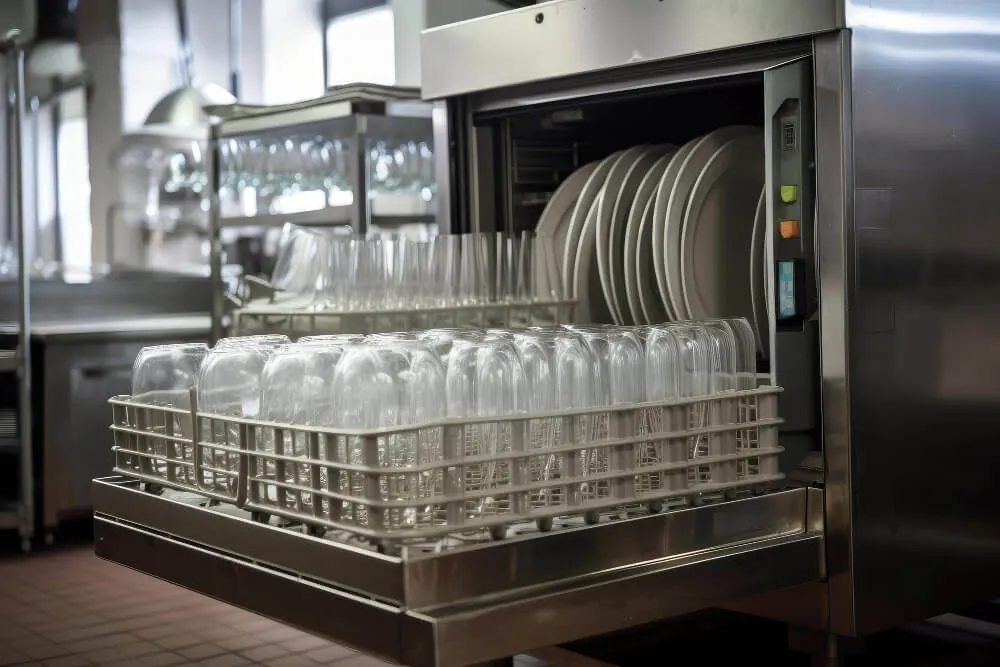
Buying a commercial dishwasher outright means paying the full purchase price before the machine is even installed. For a high-capacity hood type or rack conveyor unit, this can represent a significant portion of a new outlet's fit-out budget, money that could otherwise go toward renovation, staffing or opening stock.
Ownership does have a long-term advantage: once paid off, there is no further equipment cost beyond servicing and parts. However, that servicing responsibility sits entirely with the business once the manufacturer's warranty period ends. Repairs, spare parts and technician callouts become an unplanned operating expense rather than a fixed monthly line item, and the timing of a breakdown is never convenient.
The Real Cost of Renting
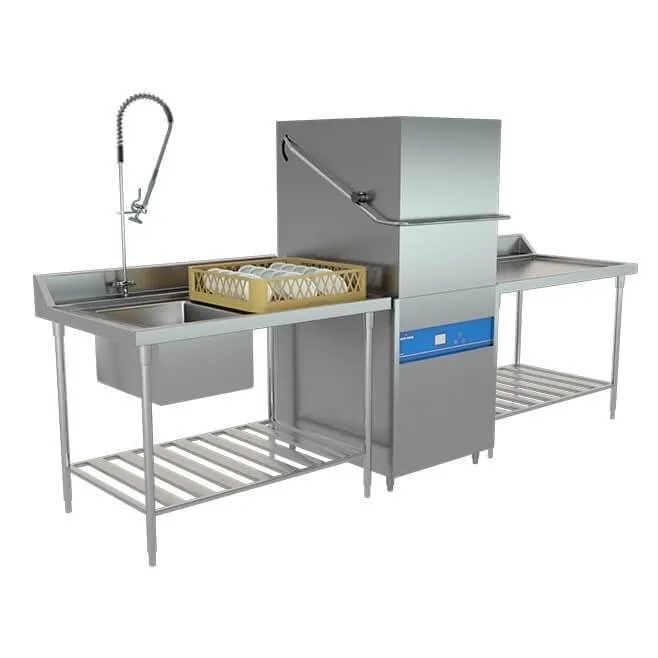
A rental arrangement removes the upfront capital requirement. Instead of a large one-time payment, the business pays a fixed monthly fee, which is easier to plan around and does not compete with other opening or operating costs.
Most rental programmes, including EHS Kitchen's, also bundle maintenance and breakdown support into that monthly fee. This shifts equipment risk away from the operator: if the machine develops a fault, it is the supplier's responsibility to resolve it, not an unbudgeted repair bill. Besides, some rental programmes, like EHS Kitchen's Dishwasher Rental, also include operational materials like detergent and rinse aid. The trade-off is that renting does not build any equity in the machine, and the business is generally limited to the models the rental provider has available.
Comparing the Two Options
Here is how the two options compare on the factors that matter most in day-to-day operations:
| Factor | Buy Outright | Rent |
|---|---|---|
| Upfront payment | Full price | None |
| Monthly cost | None (after purchase) | Fixed fee |
| Maintenance & breakdown | Business's responsibility after warranty | Typically included |
| Ownership at the end | Immediate | No |
| Flexibility to upgrade | Limited (resale needed) | Easy to arrange |
Which Option Suits Which Business
A new outlet or a business managing a tight opening budget often benefits most from initial renting, since it avoids tying up capital that is needed elsewhere in the first months of operation. The same applies to businesses that are still validating a location or format and do not want to commit to long-term equipment ownership too early.
An established business with stable cash flow and foreseeable customer traffic, planning to operate from the same premises for many years, may find that buying works out more cost-effective over the equipment's full lifespan, provided it is prepared to budget for maintenance and eventual replacement itself.

Questions to Ask Before Deciding
Before committing either way, work through these questions:
- How much capital can the business commit without affecting other opening or operating costs?
- Is the kitchen location and format confirmed, or still being tested?
- Who will be responsible for arranging repairs and sourcing spare parts after any warranty period ends?
- How predictable does the monthly budget need to be?
- Is there a preference for owning the equipment outright, or is operational flexibility more important?
- Is the kitchen operation stable or is the business eyeing an upgrade soon?
Making the Right Call for Your Kitchen
Working through these questions with a supplier before committing to any option can help avoid a mismatch between the financing structure and how the business actually plans to operate.
There is no universally better option between renting and buying. Each shifts cost, risk and flexibility in a different direction, and the right fit depends on the stage and cash flow position of the business.
For Malaysian F&B operators weighing up the options, EHS Kitchen offers both outright purchase and a rental programme for its commercial dishwashers, and can walk through the cost implications of each based on your kitchen's specific requirements. Enquire today or reach the team through the buttons below.
Frequently Asked Questions
Is it cheaper to rent or buy a commercial dishwasher in Malaysia?
It depends on the time horizon. Renting avoids upfront capital and shifts maintenance risk to the supplier, which often works out better for newer or cash-conscious businesses. Buying can be more cost-effective over a machine's full lifespan for an established business that can absorb its own maintenance costs.
What are the main benefits of renting?
Renting requires no down payment and typically includes maintenance and operational materials like detergent and rinse aid. However, renting offers no path to ownership.
Does a rental programme include repairs?
This depends on the provider's terms. EHS Kitchen's rental programme includes breakdown assistance and ready access to spare parts as part of the monthly fee; operators should confirm exactly what is covered before signing any agreement.
Is renting only suitable for new businesses?
No. While renting is often useful for new outlets managing their opening budget, established businesses may also choose to rent when opening additional locations, trialling a new format, or simply preferring to avoid equipment ownership risk.
Can a business switch from renting to buying later?
This depends on the supplier's terms. Some rental programmes allow upgrading to a different machine during the rental period; whether a rented unit can later be purchased should be confirmed directly with the provider.
What happens to the dishwasher at the end of a rental period?
Under a rental arrangement, the machine remains the supplier's property throughout, and is typically returned or replaced at the end of the agreed period, unless otherwise negotiated.