
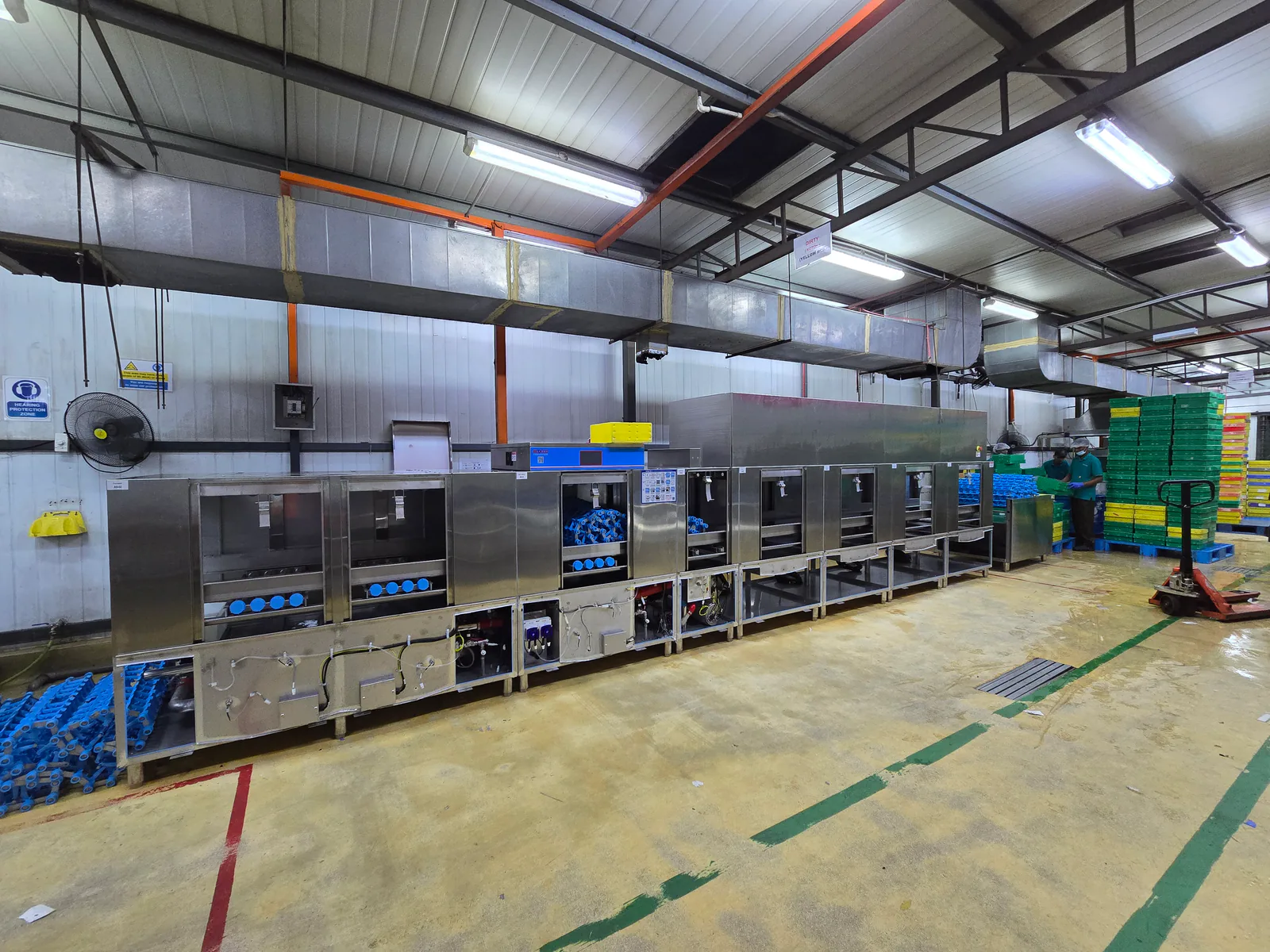
Cleanliness is a key part of food safety and hygiene compliance for commercial kitchens in Malaysia. Health authorities regularly inspect food premises, and businesses that fail to meet required hygiene standards may face enforcement action, including temporary closure.
In 2026, Penang health authorities ordered 177 food premises to close temporarily following hygiene issues identified during inspections of more than 4,000 premises between January and April 2026. Unsatisfactory cleanliness, food poisoning cases and pest control issues were among the reasons cited. This highlights why maintaining proper hygiene should be part of everyday kitchen operations rather than something addressed only before an inspection.
Dishwashing is an important part of that hygiene routine. Plates, cutlery, glassware and kitchen utensils are repeatedly exposed to food residue, hands and preparation surfaces. If they are not properly washed and sanitised, they can contribute to cross-contamination.
This article explains how commercial dishwashers support food hygiene in Malaysia, how machine dishwashing compares with manual washing from a hygiene and compliance perspective, and the practical steps F&B operators can take to maintain a more consistent dishwashing process.
Why Dishwashing Is a Food Safety Issue
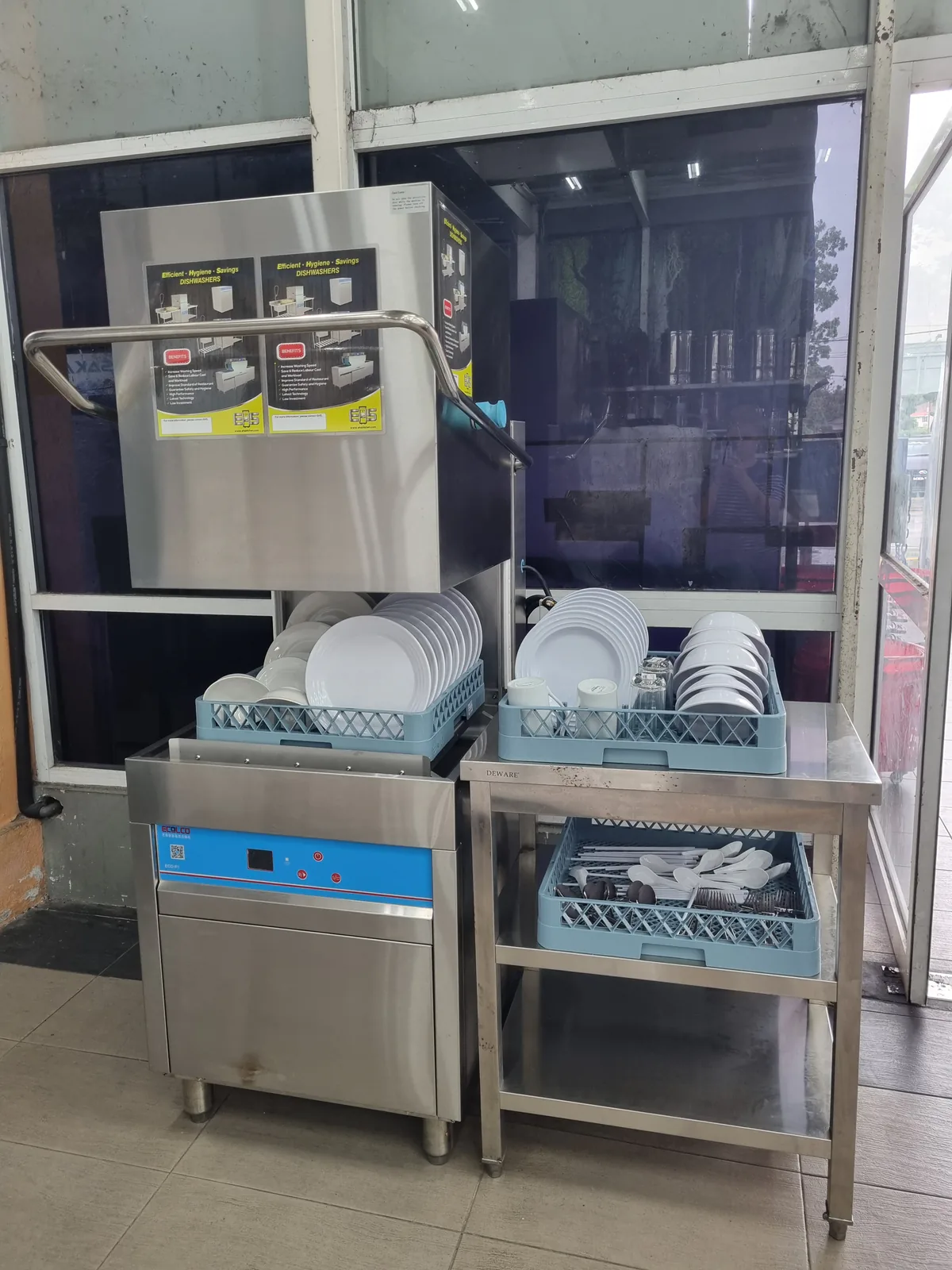
Dishwashing is more than a routine cleaning task in a commercial kitchen. Plates, bowls, cutlery, glassware and kitchen utensils are reused throughout the day, so food residue, grease or bacteria left behind after washing can create a hygiene risk for the next person using them.
Food safety remains a significant global concern. According to the World Health Organization, unsafe food causes around 866 million illnesses and 1.5 million deaths worldwide each year, with children under five facing a particularly high risk. The WHO highlights proper water, sanitation, hygiene and food safety practices as important measures for reducing foodborne disease.
For commercial kitchens in Malaysia, this makes proper cleaning of tableware and food-contact equipment an important part of everyday food hygiene. Malaysian food hygiene requirements cover areas such as equipment, utensils, cleanliness and maintenance, while food premises are inspected to assess compliance with applicable food safety and hygiene requirements.
A kitchen may follow good food storage and temperature-control practices, but poor dishwashing can still introduce unnecessary contamination risks. A consistent washing process helps ensure that grease, food residue and other contaminants are properly removed before tableware and utensils are used again.
Malaysia's Food Hygiene Regulations: What F&B Operators Should Know
Food premises in Malaysia are regulated under the Food Act 1983 and the Food Hygiene Regulations 2009, which are enforced through the Ministry of Health's Food Safety and Quality Programme. These rules cover areas such as:
- Food premises registration
- Cleanliness
- Food handling
- Equipment
- Overall hygiene of food preparation areas
For F&B operators, several requirements are particularly relevant to dishwashing and kitchen hygiene:
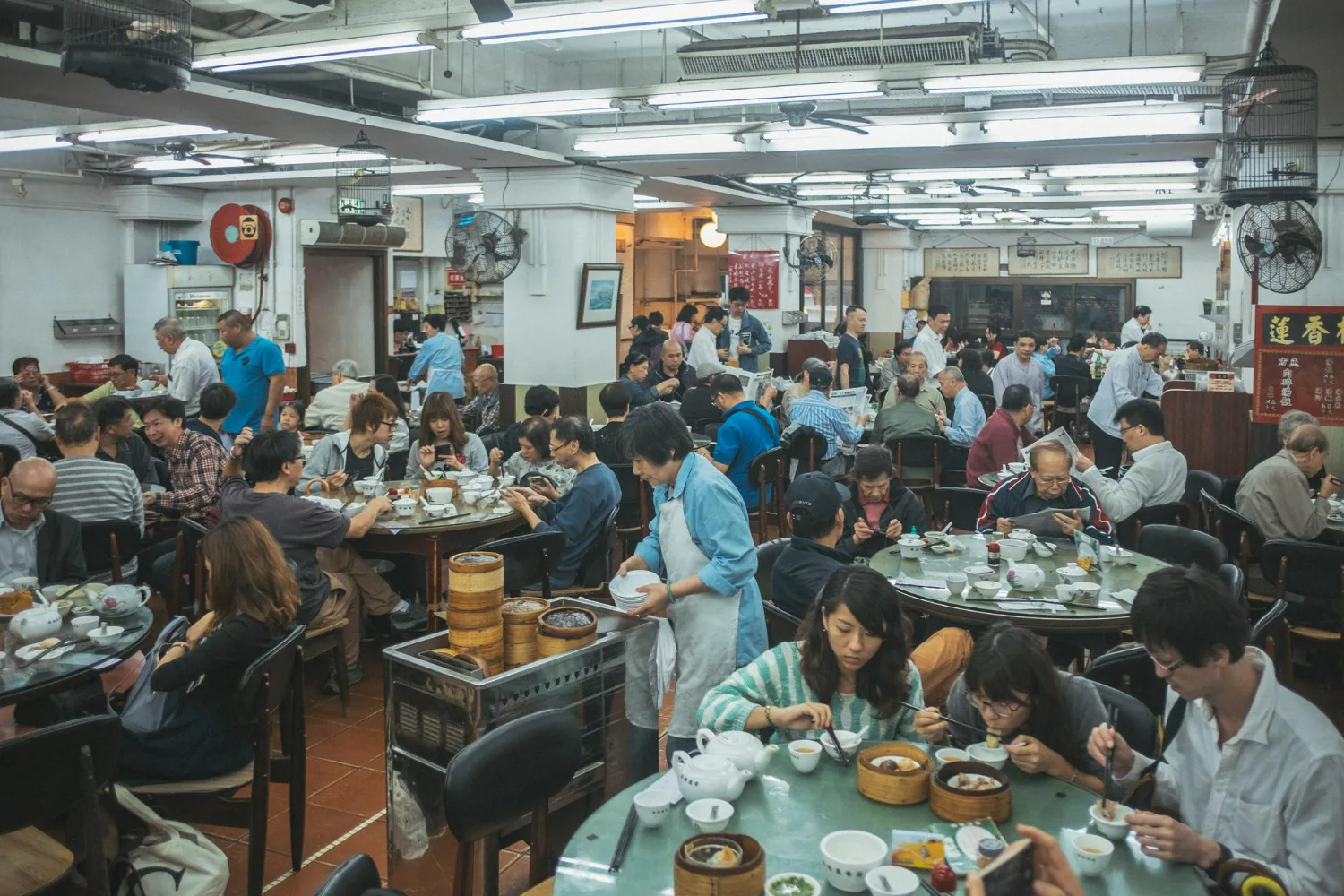
Food premises must be registered and kept hygienic
- The Food Hygiene Regulations 2009 require food premises, such as restaurants, stalls, canteens and catering operations, to be registered with the Ministry of Health.
- The regulations also set hygiene and maintenance requirements for food premises, including equipment, fittings and food-contact surfaces.
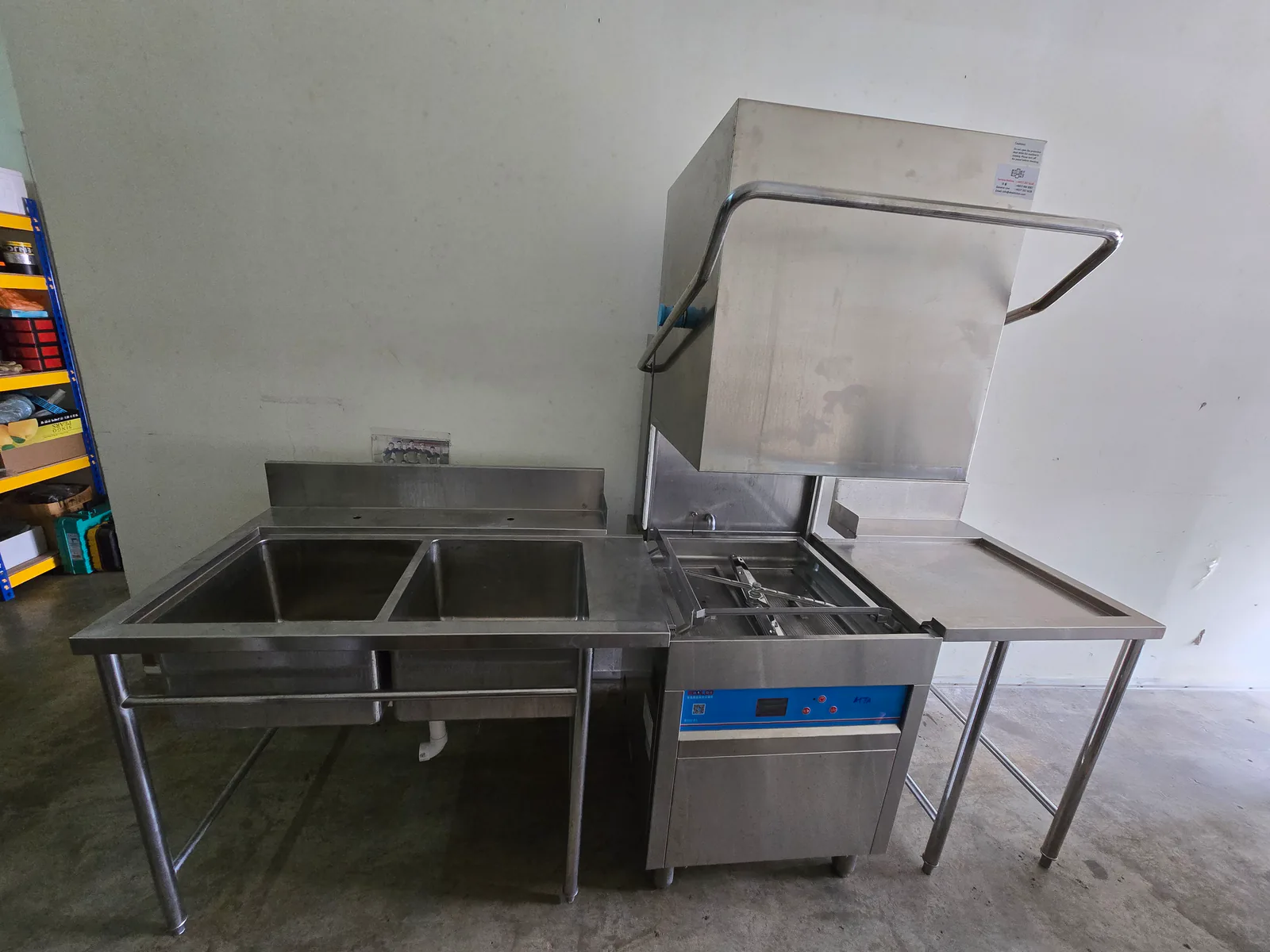
Equipment and food-contact surfaces must be properly maintained
- Equipment, furniture and surfaces that come into contact with food should be kept clean, maintained in good condition and made from materials that can be cleaned effectively.
- This means hygiene does not stop at floors, walls or storage areas; the condition of utensils and kitchen equipment also matters.
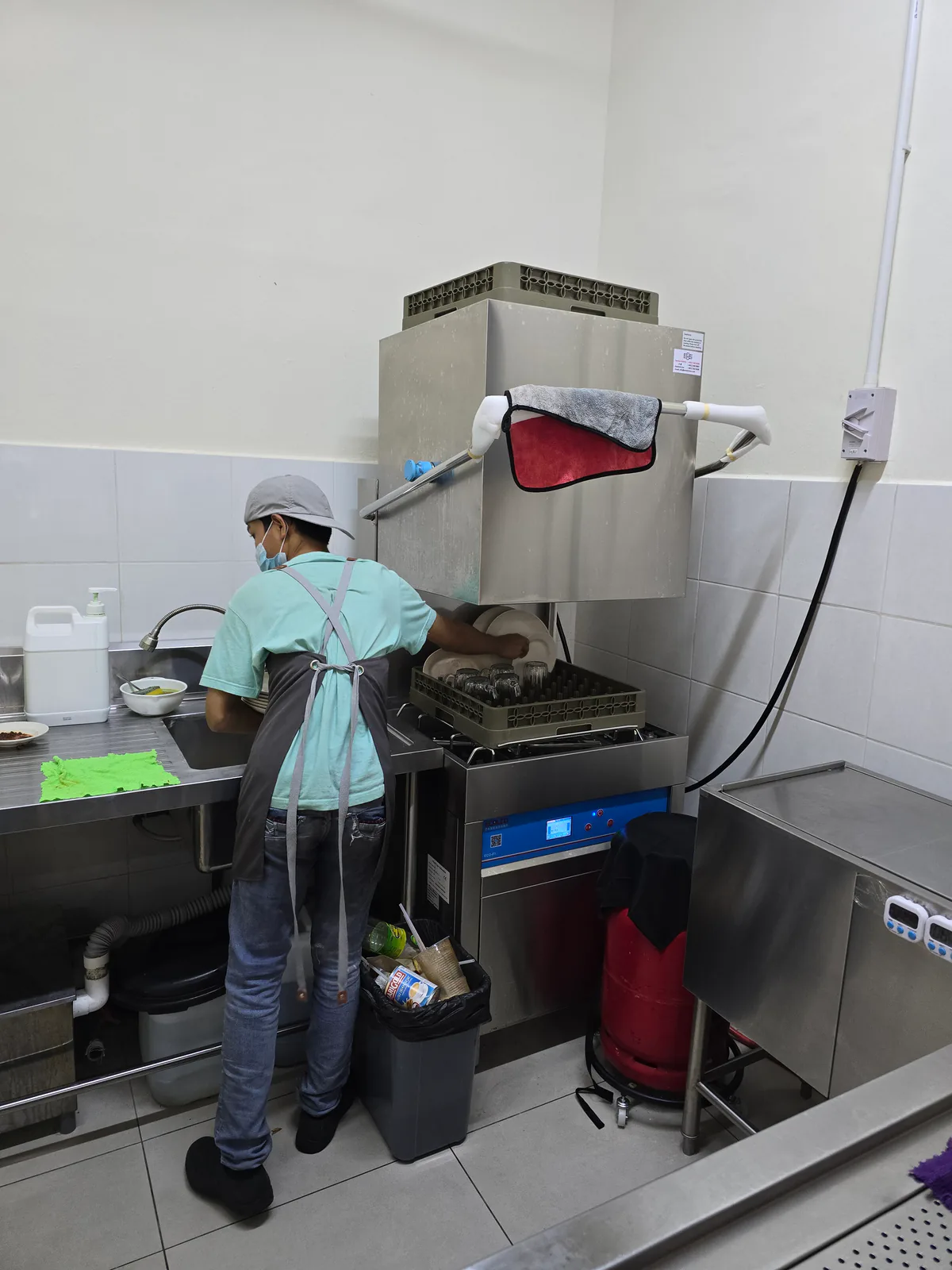
Proper washing practices are part of food hygiene compliance
- The Ministry of Health has specifically reminded food operators to use clean water when washing equipment and utensils and to maintain safe food-handling practices.
- A consistent dishwashing process, such as with a good commercial dishwasher, therefore helps support the broader hygiene standards expected in a commercial kitchen.
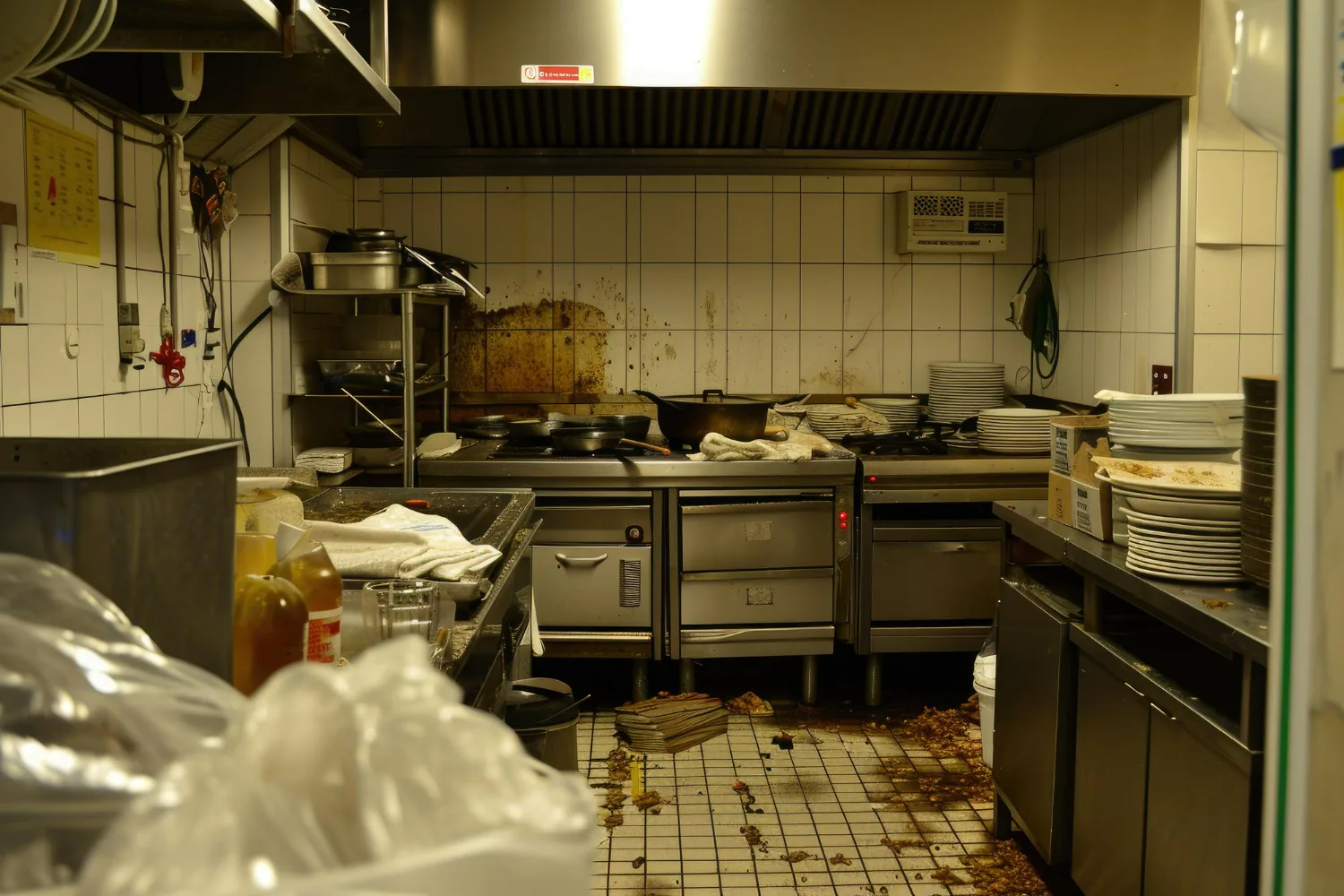
Authorities can take action against unhygienic premises
- Under Section 11 of the Food Act 1983, an authorised officer may order a food premise to close for up to 14 days if its sanitary or hygienic condition is considered hazardous to health.
Manual Handwashing vs Commercial Dishwashing: Which Meets Compliance Expectations Better?
Both manual washing and commercial dishwashing can support good hygiene when carried out correctly. In a busy commercial kitchen, machine dishwashing can make it easier to maintain repeatable wash conditions across large volumes of tableware.
| Factors | Manual Handwashing | Commercial Dishwashing |
|---|---|---|
| Wash & rinse conditions | Water temperature and washing technique can vary depending on the staff member and workload | Uses controlled wash cycles with more consistent temperatures and timings |
| Consistency across staff | Results depend more heavily on staff training, technique and attention | Provides a standardised process that is less dependent on individual washing technique |
| Speed during peak hours | Large volumes can create a delay and increase the risk of rushed washing | Designed to process repeated loads within set cycle times |
| Detergent & rinse aid | Products are usually added manually, so the amount used can vary | Many commercial machines use automatic dosing systems for more consistent chemical use |
| Process control | Requires staff to follow the correct washing steps consistently | Cycle settings and regular maintenance make the washing process easier to standardise |
| Role | Useful for oversized cookware, delicate items and equipment that cannot go into a machine | Best suited to suitable plates, bowls, cutlery, glassware and other high-volume reusable items |
Manual washing is still useful for large pots, delicate glassware and items unsuitable for machines, but in high-volume kitchens it can be harder to maintain consistent hygiene during busy periods. A properly operated commercial dishwasher provides consistent cleaning when staff load it correctly, use suitable chemicals and follow Malaysia's Food Hygiene Regulations 2009.
Common Hygiene Compliance Mistakes in Commercial Kitchens
Even with a commercial dishwasher in place, poor daily practices can reduce its cleaning effectiveness. These are some of the most common mistakes F&B operators should look out for.
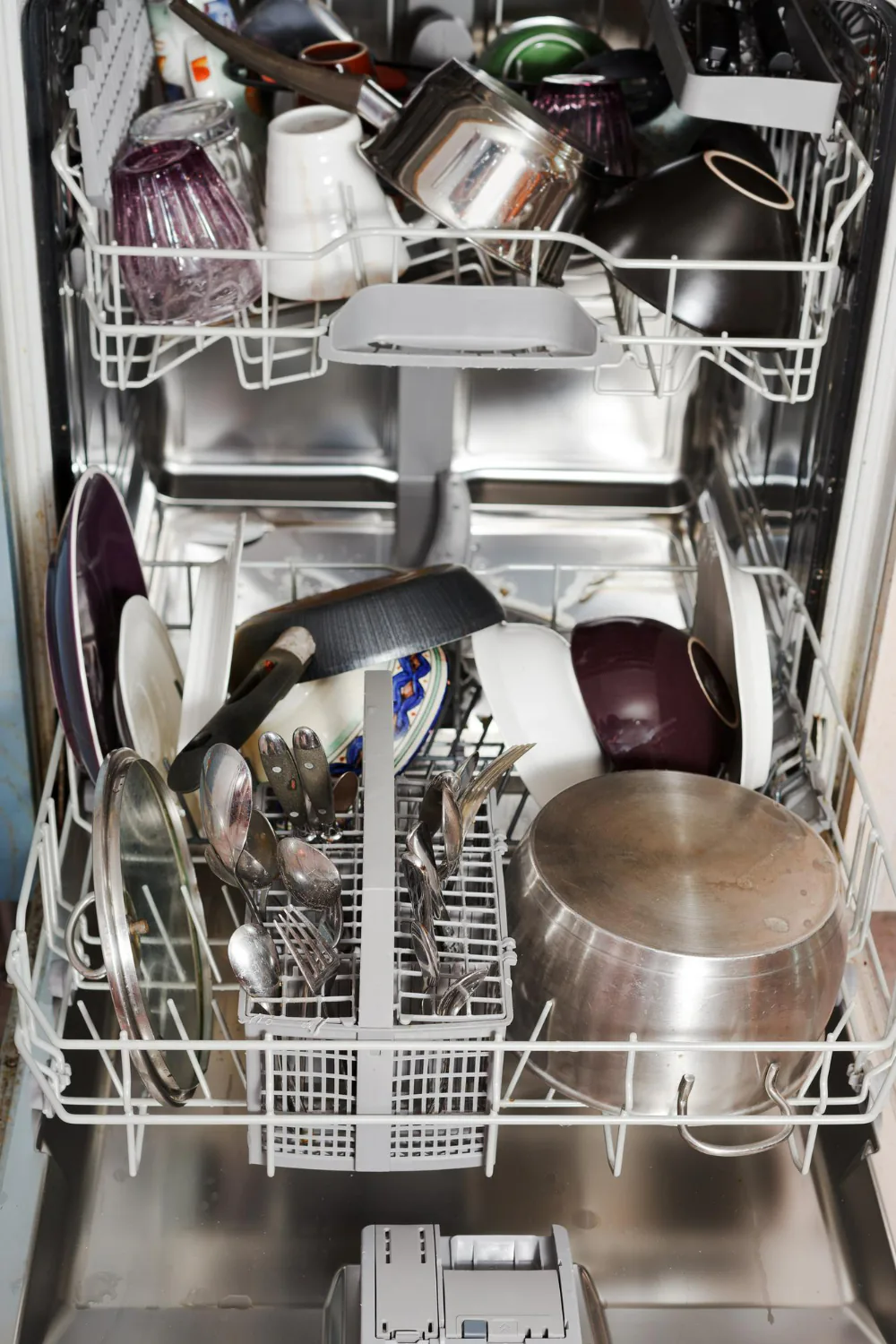
Overloading dishwasher racks
Trying to fit too many plates or utensils into one cycle can prevent water and detergent from reaching every surface properly. Items should be spaced and positioned according to the machine's loading guidelines to achieve a consistent wash.

Loading dishes without removing excess food debris
Large amounts of leftover food can collect in filters and interfere with spray arms, reducing wash performance over time. Scraping off excess food before loading helps the dishwasher operate more effectively and keeps its internal components cleaner.
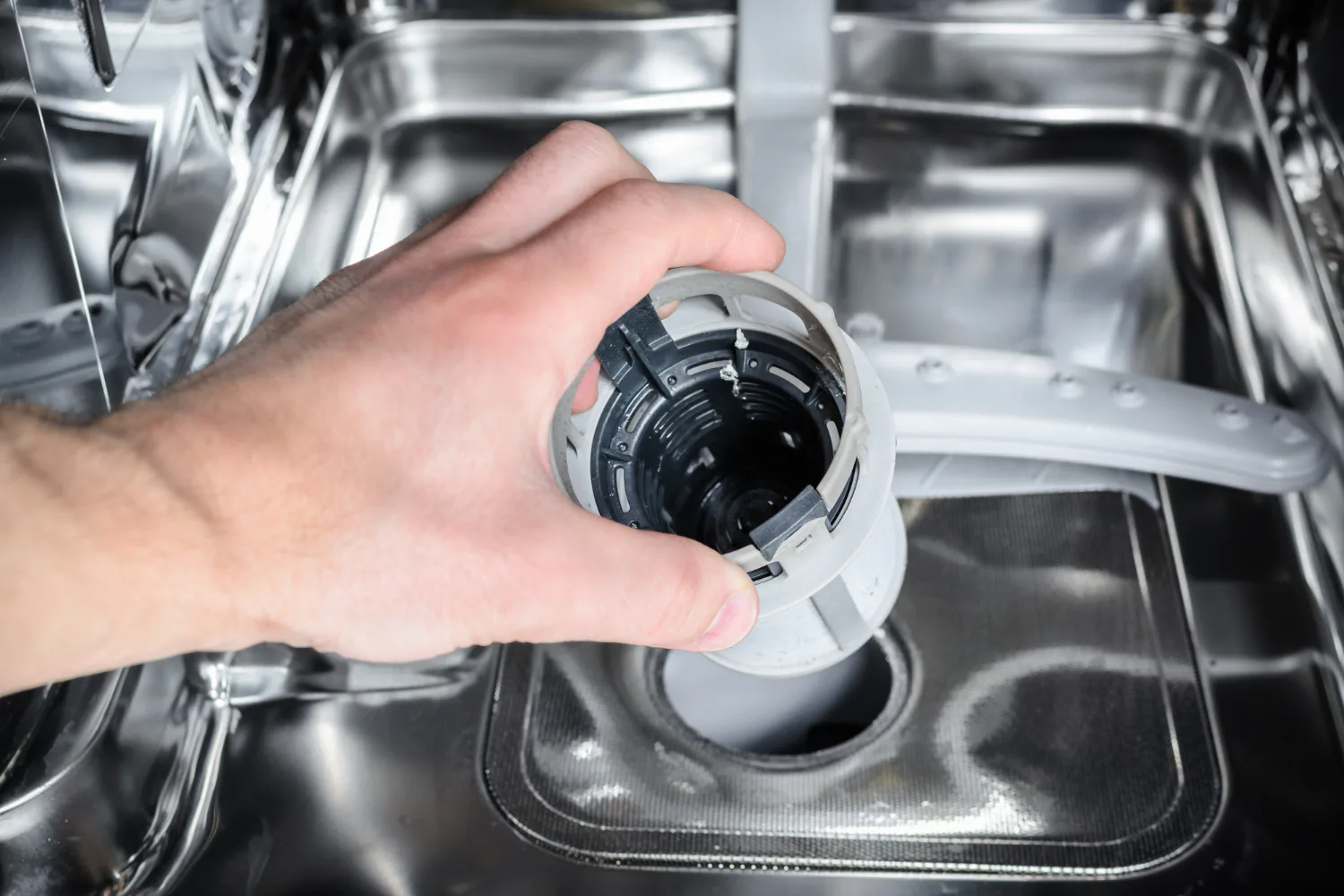
Neglecting regular filter cleaning
Dishwasher filters collect food particles throughout service and need to be cleaned regularly. If debris is allowed to build up, wash performance can decline and food particles may remain inside the machine during subsequent cycles.
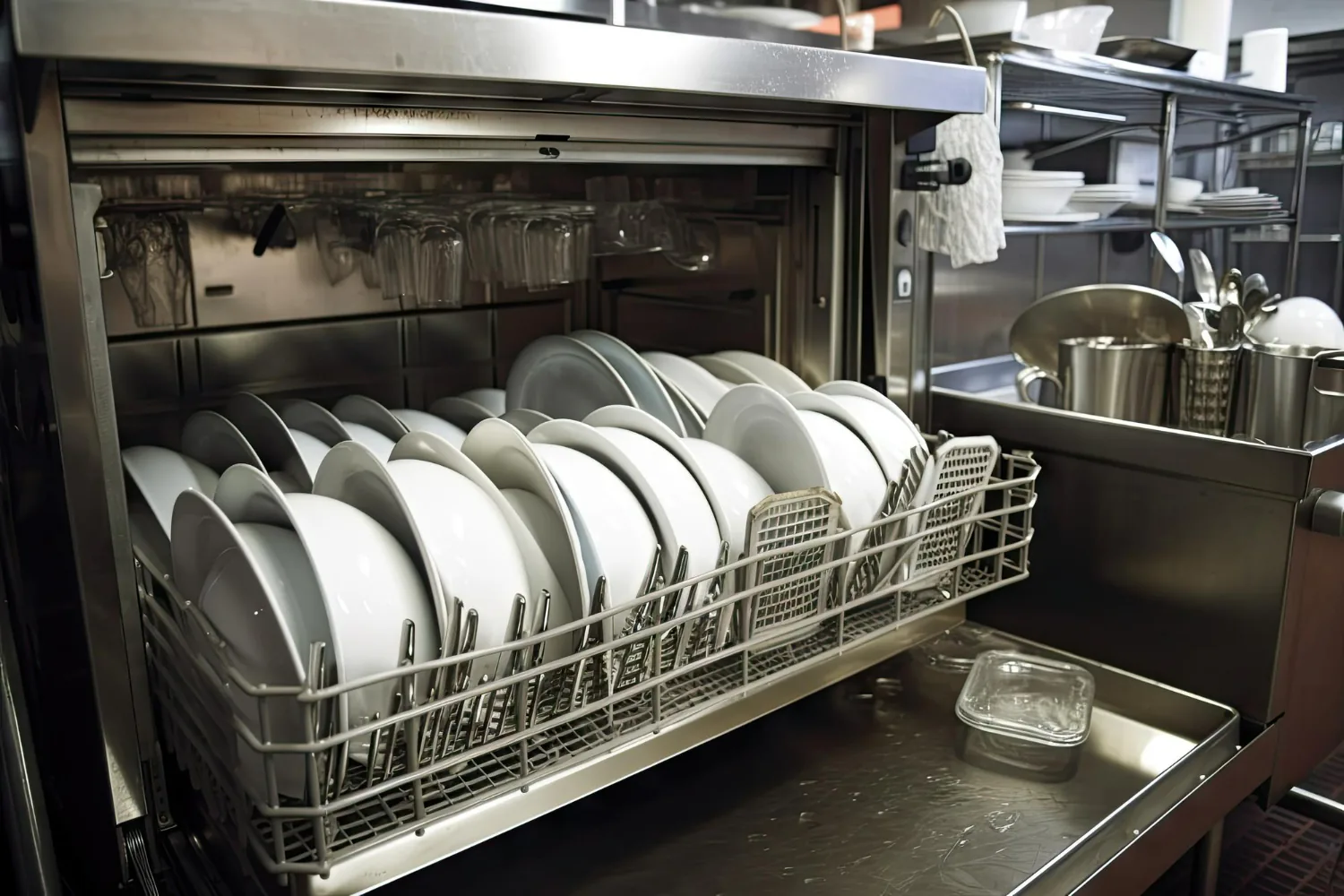
Assuming a running dishwasher is working properly
Dishes coming out visibly clean does not necessarily mean the machine is operating as intended. Wash temperatures, chemical levels, spray arms and other components should be checked regularly, while servicing and maintenance should follow the manufacturer's recommendations.
Building a Hygiene-Compliant Dishwashing Routine
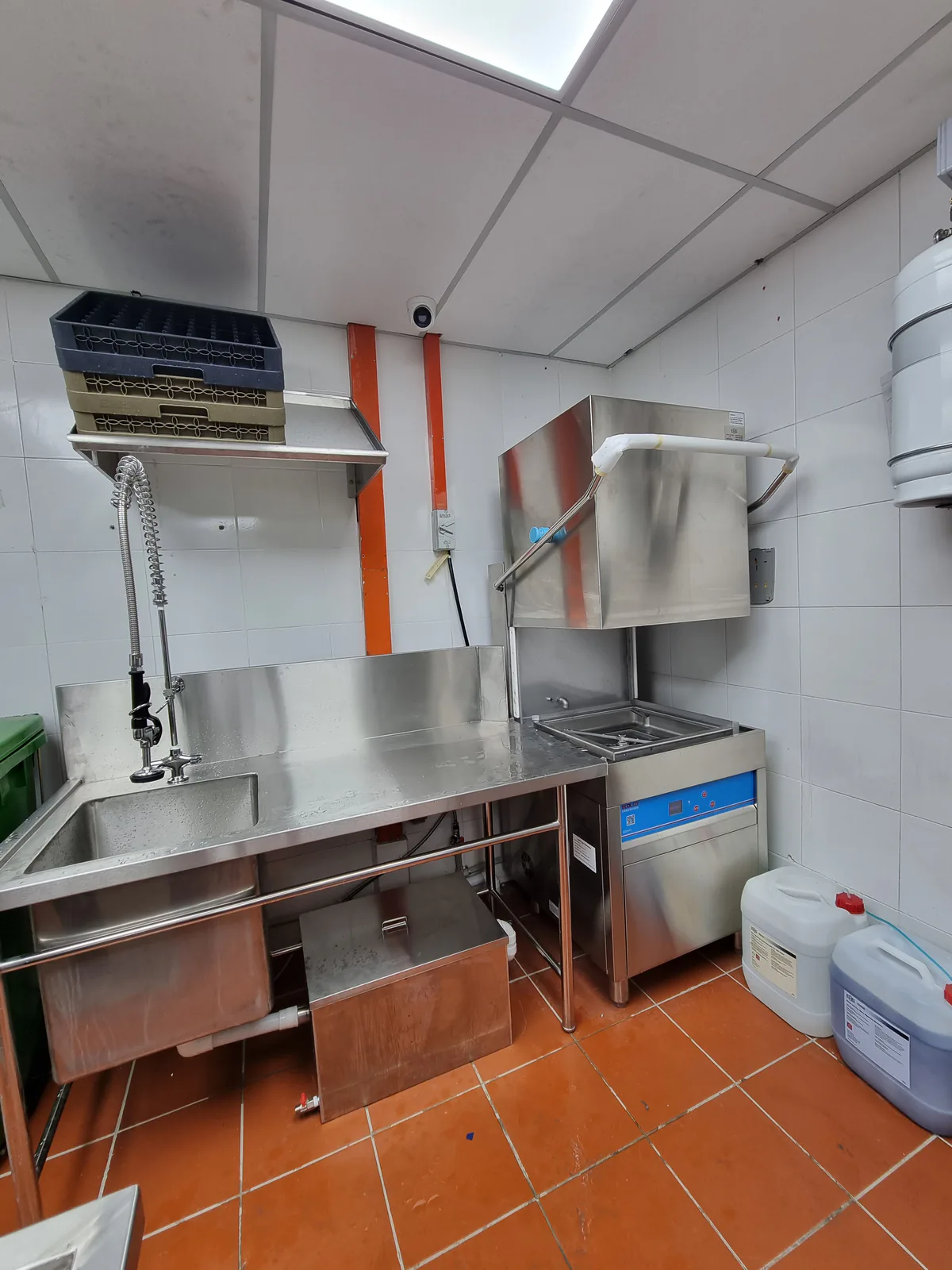
Maintaining good dishwashing hygiene comes down to consistency. Proper wash conditions, correct chemical use, regular maintenance and trained staff all help ensure tableware and utensils are cleaned properly. A commercial dishwasher that is suited to your kitchen's workload can make this easier to maintain, especially during busy service periods.
For F&B businesses in Malaysia, EHS Kitchen is the sole authorised distributor of ECOLCO commercial dishwashers, offering under-counter, hood type and rack conveyor models for different kitchen sizes and washing volumes. Businesses that want to avoid a large upfront investment can also consider EHS Kitchen's commercial dishwasher rental programme, which includes installation, staff training and ongoing maintenance support.
Frequently Asked Questions (FAQ)
Does using a commercial dishwasher automatically make a kitchen hygiene-compliant in Malaysia?
Not on its own. A commercial dishwasher can support hygiene compliance by providing more consistent wash and rinse conditions, but compliance also depends on how the machine is used, maintained and dosed with detergent, as well as broader kitchen hygiene practices.
Malaysia's Food Hygiene Regulations 2009 focus on the overall hygienic condition of food premises and equipment, not the use of any specific appliance.
Is a commercial dishwasher a legal requirement for F&B businesses in Malaysia?
No. The regulations require food premises to keep equipment, utensils and food-contact surfaces clean and properly maintained, whether washing is done manually or by machine.
A commercial dishwasher is not mandatory, but many F&B businesses use one to maintain consistent hygiene standards more easily, particularly at higher volumes.
Is manual handwashing enough to meet hygiene expectations?
It can be, if done correctly and consistently. However, manual washing depends more heavily on staff technique, training and workload, which can make it harder to maintain consistent results during busy service.
This is why many kitchens use manual washing for oversized or delicate items while relying on a commercial dishwasher for high-volume, repetitive tableware.
What MOH requirements apply to dishwashing in food premises?
The Ministry of Health does not set requirements specifically for dishwashing equipment. Instead, the Food Hygiene Regulations 2009 require food premises to be registered and to keep equipment, utensils and food-contact surfaces clean, well-maintained and made of materials that can be properly cleaned.
The Ministry has also reminded food operators to use clean water when washing equipment and utensils as part of general hygiene practice.
How often should a commercial dishwasher be serviced to support hygiene compliance?
Servicing frequency depends on the machine, usage volume and manufacturer recommendations. In general, filters should be cleaned regularly, and wash performance, chemical dosing and other components should be checked on an ongoing basis rather than only when a problem becomes noticeable.
Operators should follow the servicing schedule recommended by their machine's manufacturer or distributor.
Can poor dishwasher maintenance affect a hygiene inspection outcome?
It can. A dishwasher that runs and produces visibly clean dishes is not necessarily operating at the correct temperature or chemical dosage.
Since hygiene inspections may assess the general cleanliness and condition of kitchen equipment, a poorly maintained machine could contribute to hygiene issues even if it appears to be functioning normally.
Where can I get help choosing the right commercial dishwasher in Malaysia?
EHS Kitchen, the authorised distributor of ECOLCO commercial dishwashers in Malaysia, can assess your kitchen's requirements and recommend a suitable under-counter, hood type or rack conveyor dishwasher.
Businesses that want to avoid a large upfront investment can also consider EHS Kitchen's commercial dishwasher rental programme, which includes installation, staff training and ongoing maintenance support.